Building Off-Grid Homesteads for Wilderness Retreats
- Heman Yisrael
- Aug 25, 2025
- 6 min read
Imagine waking up to the sound of birds chirping, the sun rising over a tranquil landscape, and the fresh scent of pine trees filling the air. This is the dream of many who seek to escape city life. Building an off-grid homestead for a wilderness retreat can turn this dream into reality.
In this blog post, we will explore the essential steps to create your own off-grid homestead. We will cover everything from choosing the right location to sustainable living practices. Whether you are looking for a weekend retreat, a permanent residence, or a survival camp. This guide will provide you with the information you need to get started.
Choosing the Right Location
The second step in building your off-grid homestead is selecting the perfect location. Firstly always rely on Yahuwah for guidance and direction. Here are some factors to consider:
Accessibility: Ensure that your chosen site is accessible by road or trail. This will make transporting materials and visiting your homestead easier.
Water Source: Look for a location near a natural water source, such as a river, lake, or spring. Water is essential for drinking, cooking, and gardening.
Sunlight: Consider the amount of sunlight your site receives. A sunny location is ideal for solar energy and gardening.
Soil Quality: If you plan to grow your own food, test the soil quality. Rich, fertile soil will support healthy plants.
Wildlife: Be aware of the local wildlife. Some animals can be a nuisance, while others can be beneficial for your homestead.
Once you have identified a suitable location, it is time to plan your homestead layout.
Designing Your Homestead
Designing your off-grid homestead is an exciting step. Here are some key elements to consider:
Main Cabin: Your main living space should be comfortable and functional. Consider using sustainable materials, such as reclaimed wood, pallets, or straw bales, to minimize your environmental impact.
Garden Area: Allocate space for a garden where you can grow fruits and vegetables. Raised beds can help improve soil quality and make gardening easier.
Water Collection System: Install a rainwater collection system to gather water for your homestead. This can be as simple as gutters and barrels.
Composting Toilet: A composting toilet is an eco-friendly option that reduces water usage and provides nutrient-rich compost for your garden.
Storage Shed: A storage shed is essential for keeping tools and supplies organized. Consider building it with the same materials as your cabin for a cohesive look.
As you design your off-grid homestead, think about how each element will work together to create a sustainable living environment.
Building Your Cabin
Building your cabin is one of the most rewarding parts of creating your off-grid homestead. Here are some tips to help you get started:
Choose a Simple Design: A simple cabin design will be easier to build and maintain. Consider a one-room structure with a loft for sleeping.
Use Local Materials: Sourcing materials locally can save money. Look for timber, stone, or other materials in your area.
Plan for Insulation: Proper insulation is crucial for keeping your cabin warm in winter and cool in summer. Use natural materials like wool or straw for insulation.
Incorporate Renewable Energy: Consider installing solar panels or a wind turbine to power your cabin. This will help you live off-grid and reduce your reliance on fossil fuels.
Build with Sustainability in Mind: Use eco-friendly building practices, such as minimizing waste and using non-toxic materials.
Once your cabin is built, you can focus on creating a comfortable and inviting space.
Creating a Sustainable Lifestyle
Living off-grid means embracing a sustainable lifestyle. Here are some practices to consider:
Grow Your Own Food: Start a vegetable garden and plant fruit trees. Consider raising chickens for eggs and cattle for milk and dairy products. This will provide fresh food and reduce your grocery bills.
Practice Permaculture: Permaculture is a sustainable farming method that works with nature. Design your garden to mimic natural ecosystems, which can lead to healthier plants and less work.
Use Renewable Energy: Rely on solar, wind, or hydro power for your energy needs. This will reduce your carbon footprint and save money in the long run.
Conserve Water: Use water-saving techniques, such as drip irrigation and greywater recycling, to make the most of your water resources.
Reduce Waste: Compost food scraps and recycle materials whenever possible. This will help you minimize waste and create a healthier environment.
By adopting these sustainable practices, you can create a homestead that thrives in harmony with nature.
Embracing the Wilderness
Living in the wilderness offers unique opportunities for adventure and connection with Yahuwah our Creator. Here are some ways to embrace your surroundings:
Explore Local Trails: Take advantage of nearby hiking, or horseback riding trails. This is a great way to stay active and enjoy the beauty of nature.
Learn Survival Skills: Consider taking classes or reading books on wilderness survival, foraging, or bushcraft. These skills can enhance your experience and help you feel more connected to your environment.
Connect with Yahuwah: Spend time observing wildlife, birdwatching, or simply enjoying the peace and quiet of your surroundings. This connection to Yahuwah through his creation is incredibly rewarding. Raw nature is his original model and our natural habitat.
Engage with the Community: Join a group or attend events to meet like-minded believers. Building a community can provide support and friendship.
Document Your Journey: Keep a journal or blog about your experiences. This can help you reflect on your journey and inspire others to pursue their own off-grid dreams.
Embracing the wilderness can lead to a fulfilling and enriching lifestyle.
Overcoming Challenges
Building and living in an off-grid homestead comes with its challenges. Here are some common obstacles and how to overcome them:
Weather Conditions: Harsh weather can impact your homestead. Prepare for extreme temperatures by investing in quality insulation and heating systems.
Limited Resources: Living off-grid may mean limited access to resources. Plan ahead and stock up on essentials before winter or bad weather hits.
Maintenance: Off-grid living requires regular maintenance. Create a schedule for checking systems like water, energy, and waste management.
Isolation: Some may find off-grid living isolating. Stay connected with friends and family through phone calls, emails, or video chats.
Learning Curve: There is a lot to learn when building and maintaining an off-grid homestead. Be patient with yourself and seek out resources, such as books or online forums.
By anticipating these challenges and prayerful consideration, you can better prepare yourself for a successful off-grid lifestyle.
The Joy of Off-Grid Living
Living off-grid is not just about survival; it is about thriving in a way that aligns with your values. Here are some joys of off-grid living:
Self-Sufficiency: There is a deep satisfaction in being self-sufficient. Growing your own food and generating your own power can be incredibly empowering.
Connection to The Creator: Living in the wilderness allows you to connect with Yahuwah our Create on a much a deeper level. You will notice the changing seasons, the rhythms of wildlife, and the beauty of your surroundings.
Simplicity: Off-grid living encourages a simpler lifestyle. You will learn to appreciate the little things like, fresh air, a warm meal or a beautiful sunset.
Spiritual freedom: Imagine off-grid communities filled with supportive and like-minded believers. You can share knowledge, resources, and friendship. You will also discover the joy of being able to freely celebrate Yahuwah our creator and his holy days without the shackles and restraints that the world system imposes.
Personal Growth: The challenges of off-grid living can lead to personal growth. You will learn new skills, develop resilience, and gain confidence in your abilities. Your faith will be tested and increased.
These joys make the effort of building an off-grid homestead worth your while.
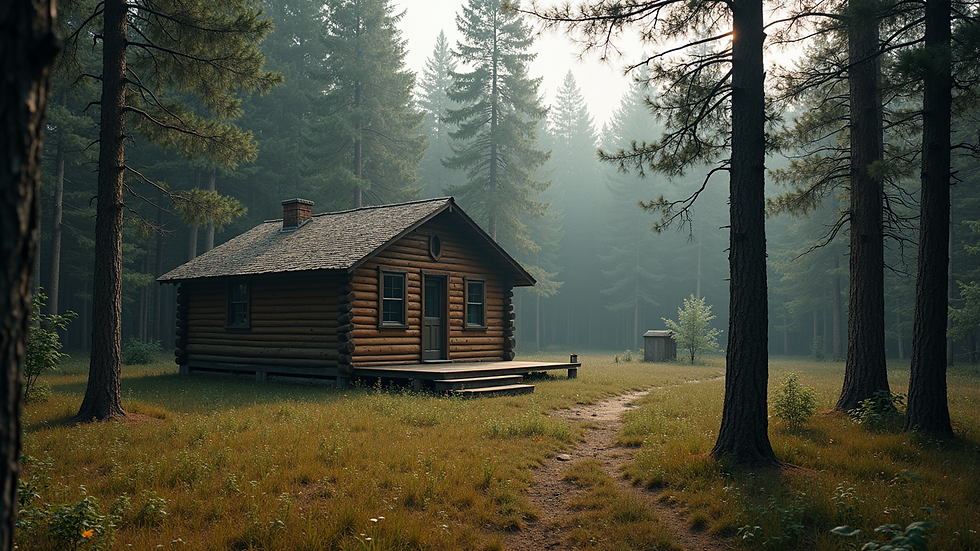
As you embark on your journey to build an off-grid homestead, remember that it is a process. Take your time, enjoy the journey, and embrace the challenges and rewards that come with it. With careful planning and a commitment to sustainability, you can create a wilderness retreat that nourishes your soul and connects you with Yahuwah’s spirit and the beauty of nature.
Your off-grid adventure awaits, and the wilderness is calling.
All is done in the name above all names Yahushua, to the praise and glory of the Father Yahuwah, and His Ruach ha Qodesh.
Repent, be baptized in the name of Yahushua, be saved. GET OUT!

Comments